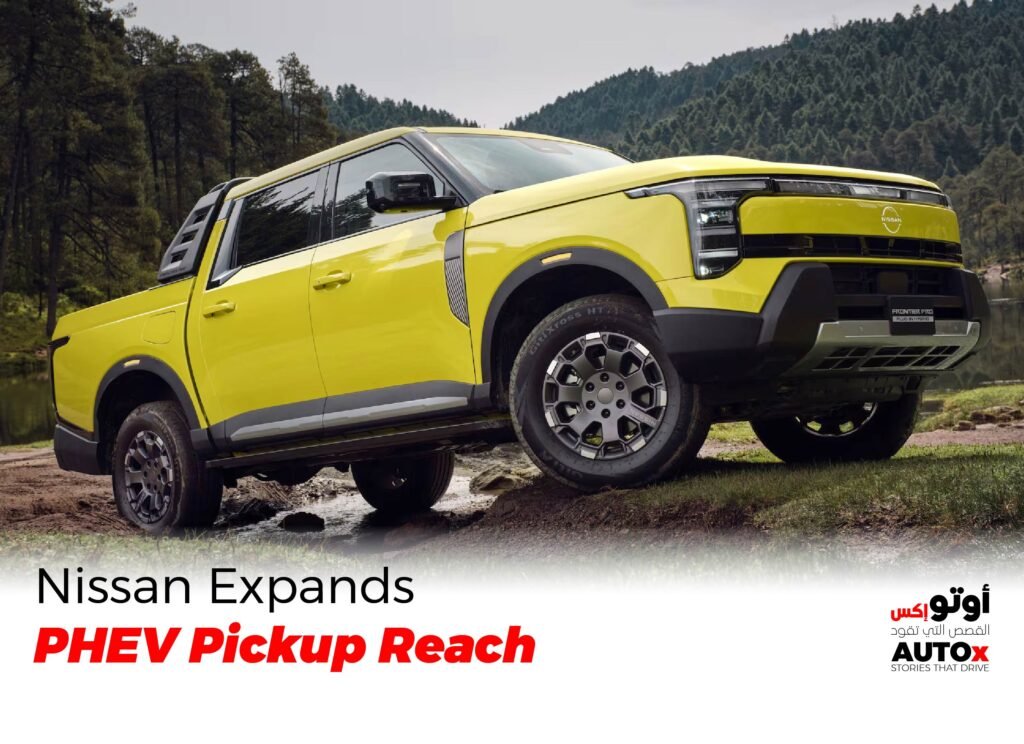
Nissan is joining the growing wave of Chinese automotive exports to Mexico with the introduction of its new Frontier Pro plug-in hybrid pickup, highlighting the increasing importance of electrified vehicles in the global pickup truck market.
The Frontier Pro PHEV combines the practicality of a pickup with plug-in hybrid technology, offering a blend of electric driving capability and a conventional engine for longer journeys. The model reflects the industry’s broader shift towards electrification as automakers seek to meet changing customer expectations and expand their presence in international markets.
Mexico has become an important destination for automotive manufacturers looking to strengthen their regional footprint and reach customers across North America. The country’s established automotive industry, manufacturing infrastructure and strategic location make it an attractive market for vehicle exports.
The Frontier Pro also represents a significant development for Nissan as competition intensifies from Chinese automotive brands offering electrified vehicles with increasingly advanced features. Plug-in hybrid pickups could appeal to customers seeking improved fuel efficiency and reduced fuel consumption without relying entirely on charging infrastructure.
However, the model’s success will depend on factors such as pricing, electric driving range, performance, after-sales support and local customer demand. Competition from established pickup brands and emerging electrified alternatives could also influence its market reception.
Nissan’s move underscores the changing dynamics of the global automotive industry, where electrification and international trade are reshaping how manufacturers develop and distribute vehicles. The Frontier Pro PHEV’s expansion into Mexico could provide Nissan with an opportunity to strengthen its position in the evolving pickup segment while responding to growing interest in hybrid mobility.
As automakers continue to explore new export markets, the combination of electrified powertrains and practical vehicle formats is likely to remain an important part of their global growth strategies.